In international logistics, shipping small shipments individually can be costly. With proper freight consolidation, businesses can save on shipping costs, improve cargo safety, and streamline delivery. In this guide, we provide practical examples, step-by-step processes, benefits, risks, usage scenarios, and useful tips, guiding you from theory to practice for a complete understanding of freight consolidation.
01. What is Freight Consolidation?
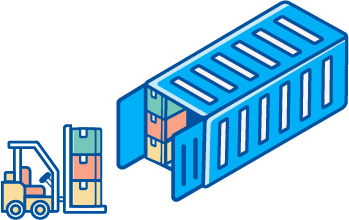
Freight consolidation combines several smaller shipments into one larger shipment. Goods can come from one or multiple suppliers and are sent together to the same destination. It is commonly used for small shipments like electronics, apparel, or home products. This method helps businesses save shipping costs and reduces the complexity of managing multiple shipments. It also allows more flexible shipping schedules.
02. How Does It Work?
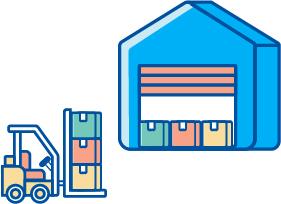
Goods are collected at a warehouse, the space is arranged, and the cargo is then loaded into the container. Upon arrival, the shipment is split and delivered to each buyer. This reduces the need for multiple shipments and paperwork.
03. Types of Freight Consolidation
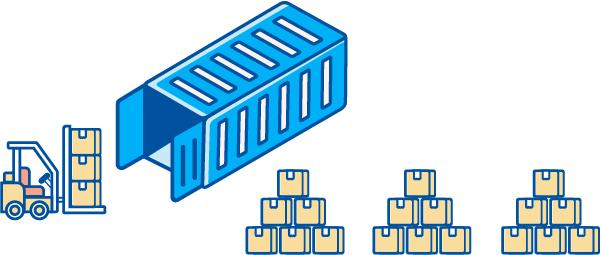
There are several types of freight consolidation, each suitable for different cargo and shipping needs. Choosing the right type based on business goals and cargo characteristics helps control costs and improve efficiency. The main types include:
LCL/Less-than-Container Load
Multiple shippers share one container and pay for used space.
FCL/Full Container Load
A single client or supplier occupies an entire container; suitable for large shipments, improves safety, and simplifies operations.
Buyer Consolidation
Goods from different suppliers combined for a single buyer.
Multi-Origin Consolidation
Shipments from different cities or factories collected before export
Air Consolidation
Small, high-value shipments combined for air transport.
04. Benefits of Freight Consolidation

Freight consolidation delivers value beyond cost savings. It improves efficiency, control, and sustainability across the supply chain, benefiting teams from sourcing to delivery.
Cost Efficiency
Consolidation reduces overall freight spend by combining shipments into fewer loads. Businesses avoid paying repeatedly for partial space.
Smarter Use of Capacity
Better space utilization means fewer wasted trucks or containers, improving transport efficiency.
Scalable Shipping
As shipment volumes grow, consolidated freight supports expansion without sharply increasing logistics complexity.
More Reliable Deliveries
Fewer shipments simplify coordination, helping reduce delays and missed delivery windows.
Lower Risk of Damage
Less handling during transit means cargo is exposed to fewer risks.
Environmental Advantage
Combining shipments cuts fuel use and emissions, supporting greener supply chains.
Improved Planning & Visibility
Managing consolidated loads makes tracking, scheduling, and inventory planning easier.
Stronger Partner Collaboration
Consolidation encourages closer coordination with logistics partners and suppliers.
05. Risks and Challenges

Consolidation can take longer since shipments are collected from different locations. Coordinating multiple suppliers can be complex, and delays in one shipment may affect the entire container. Some goods may not be compatible to ship together, and customs issues can cause delays.
06. When to Use Freight Consolidation

It works best for small shipment volumes, regular shipping schedules, and when cost savings matter more than speed. It’s ideal for multiple suppliers sending goods to the same destination.
07. Tips for Smooth Freight Consolidation

Work with an experienced logistics provider and plan shipments in advance. Standardize packaging and labeling, ensure accurate documentation, and use hubs near ports or borders.
Freight consolidation is a cost-effective way to ship goods internationally. With proper planning, it saves money and improves supply chain efficiency.
ASI Logistics, strong of 18 years of expertise, provides you with the most adapted logistic solution to fit your needs and ensure you enjoy the benefits of smooth operations.
Thanks to our seven offices, including five conveniently located on China's east coast logistic hubs (Shanghai, Ningbo, Xiamen, Ningbo, and Hong Kong), its two branches in Ho Chi Minh City, Vietnam, and Phnom Penh, Cambodia, and its worldwide network of logistic experts, ASI Logistics accompanies you at every step of your product's journey from, to and within Asia.
Our Values
Get in touch with our teams!
Contact Us
ASI Logistics, 凭借18年的专业经验,都会为您提供最适合的物流解决方案,确保您的运营顺畅无忧。
得益于我们在中国东海岸的六个重要物流枢纽(上海、青岛、厦门、宁波和香港)、在越南胡志明市和柬埔寨金边的两个分支机构,以及全球网络中的物流专家,ASI Logistics 将陪伴您每一步,从亚洲到亚洲,以及在亚洲内部的整个货物运输过程。
我们的价值观
联系我们
ASI Logistics, fort de 18 ans d'expertise, vous fournit la solution logistique la plus adaptée à vos besoins, pour une chaîne d'approvisionnement et des expéditions fluides.
Grâce à nos sept bureaux, dont cinq idéalement situés sur les hubs logistiques de la côte est de la Chine (Shanghai, Ningbo, Xiamen, Qingdao et Hong Kong), ainsi que nos deux branches à Ho Chi Minh Ville, au Vietnam, et Phnom Penh, au Cambodge, à l'expertise de notre société mère européenne et à notre réseau mondial d'experts logistiques, ASI Logistics vous accompagne à chaque étape du voyage de vos produits, vers, depuis et en Asie.
Nos Valeurs